
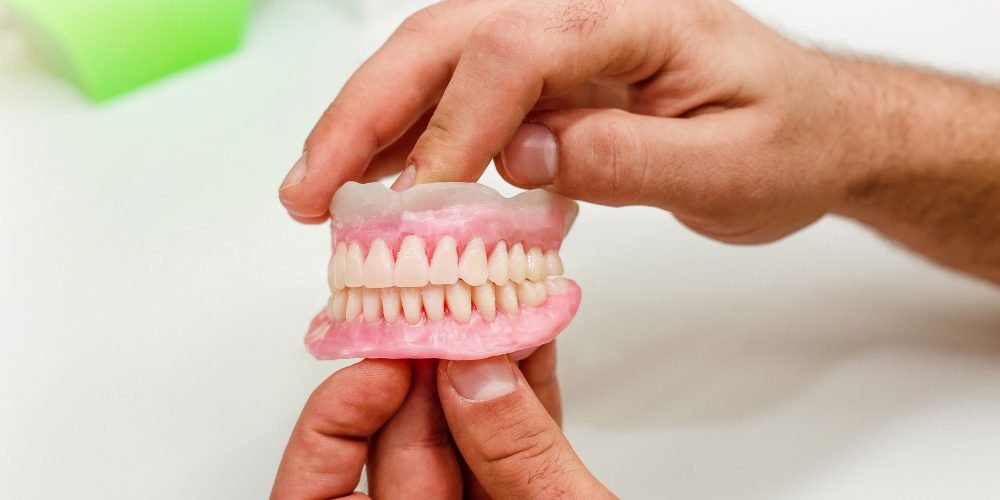
Successful All-on-4 restorations require close coordination between the dentist and dental laboratory. Complete clinical records and clear instructions at the beginning of a case can help the laboratory understand the restorative plan and reduce unnecessary delays or adjustments.
An All-on-4 case involves more than capturing implant positions. The laboratory may also need information about the implant components, occlusion, opposing arch, esthetics, and prescribed prosthesis.
For dentists working with an All-on-4 prosthesis dental lab, providing complete case information is an important part of the restorative workflow.
What Does a Dental Lab Need for an All-on-4 Case?
Requirements can vary depending on the case and laboratory workflow, but several records are commonly important.
Implant and Component Information
The laboratory needs clear information about the implants and restorative components used in the case. This may include the implant system, positions, platform, multi-unit abutments, and other relevant components.
Accurate component information helps the laboratory select the appropriate parts and design the prosthesis according to the clinical setup.
Digital Impressions and Occlusal Records
Digital impressions should clearly capture the relevant implant areas and properly seated scan bodies. Depending on the case, the laboratory may also require scans of the opposing arch and a bite scan.
An accurate bite relationship helps the laboratory understand how the proposed prosthesis should relate to the opposing arch and guides tooth position and occlusal contacts during the design process.
Esthetic References
Full-arch implant restorations also require information about the intended tooth position and appearance.
When appropriate, dentists can provide photographs, an existing denture, provisional restoration, or other references for details such as:
- Midline
- Incisal edge
- Smile line
- Tooth shape
- Shade
- Lip support
These references give the laboratory additional information when planning the final prosthesis.
Clear Laboratory Instructions
The laboratory prescription should clearly identify the intended restoration, material, implant connection, retention method, shade, and any case-specific requirements.
Clear instructions help the laboratory team understand what is required before beginning the design and fabrication process.
The Role of the Provisional Restoration
A provisional restoration can provide useful information before the final All-on-4 prosthesis is fabricated.
It allows the dentist to evaluate factors such as occlusion, phonetics, esthetics, tooth position, and patient comfort. If changes are made during this stage, the updated information should be communicated to the laboratory before the final restoration is designed.
Clear Laboratory Instructions Matter
Even accurate digital records can become difficult to interpret if the laboratory prescription is incomplete.
The dentist should clearly specify the intended restoration, material, implant connection, retention method, shade and any special design requirements.
Clear instructions allow the laboratory team to understand what is required before beginning the design and fabrication process.
How Digital Workflow Supports All-on-4 Restorations
Digital dentistry allows clinical records to move from the dental practice to the laboratory for CAD/CAM design and manufacturing.
Technologies such as digital impressions, photogrammetry, and scan-body workflows can support the capture and transfer of implant-position information. However, accurate digital records and clear clinical instructions remain essential to the process.
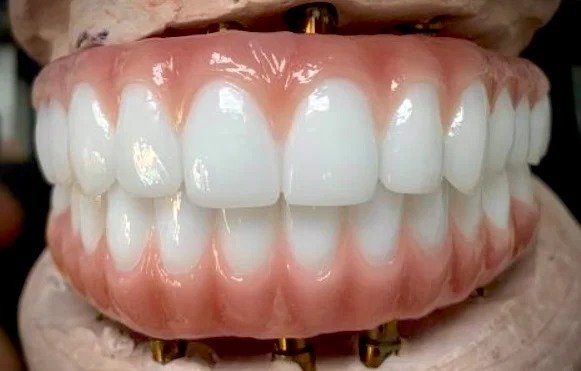
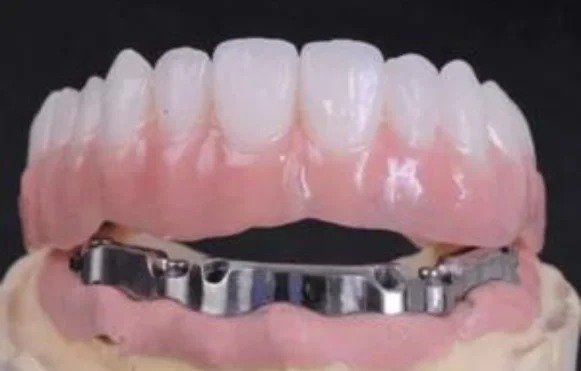
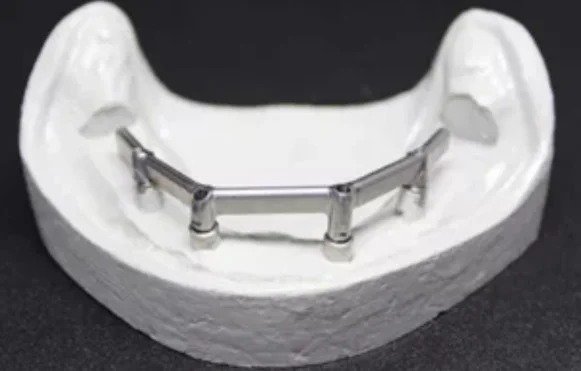
Preparing an All-on-4 Case for the Dental Laboratory
Before submitting a case, dentists can confirm that the laboratory has received:
- Implant and component information
- Digital impressions
- Opposing arch and bite records, where required
- Esthetic photographs or references
- Provisional or existing prosthesis information, where applicable
- Material, shade, and retention requirements
- Clear laboratory instructions
A complete submission gives the laboratory the information needed to begin the case with fewer uncertainties.
Conclusion
An accurate All-on-4 restoration depends on complete clinical records and clear communication between the dentist and dental laboratory. Implant information, digital impressions, occlusal records, esthetic references, and a clear laboratory prescription all help support an organised restorative workflow.
Uptown Dental Lab works with dental professionals on digital workflows and full-arch implant restorations, supporting the restorative requirements of All-on-4 cases.
Frequently Asked Questions
Q. What can cause delays in an All-on-4 laboratory workflow?
Missing implant component details, incomplete scans, unclear prescriptions, or uncommunicated changes can create additional clarification steps and delay the workflow.
Q. Can photographs provide useful information for an All-on-4 case?
Yes. Clinical photographs can provide additional references for tooth position, midline, smile line, lip support, shade, and other esthetic considerations.
Q. Does every All-on-4 case require the same laboratory records?
No. Requirements can vary depending on the implant system, restorative design, digital workflow, and specific clinical requirements of the case.
Q. Why is the opposing arch important in an All-on-4 case?
The opposing arch provides information about the occlusal relationship and can help the laboratory plan tooth position and occlusal contacts for the proposed restoration.
Q. Can an existing prosthesis be used as a reference?
Yes. When appropriate, an existing denture or provisional restoration can provide useful information about tooth position, esthetics, and other restorative considerations.